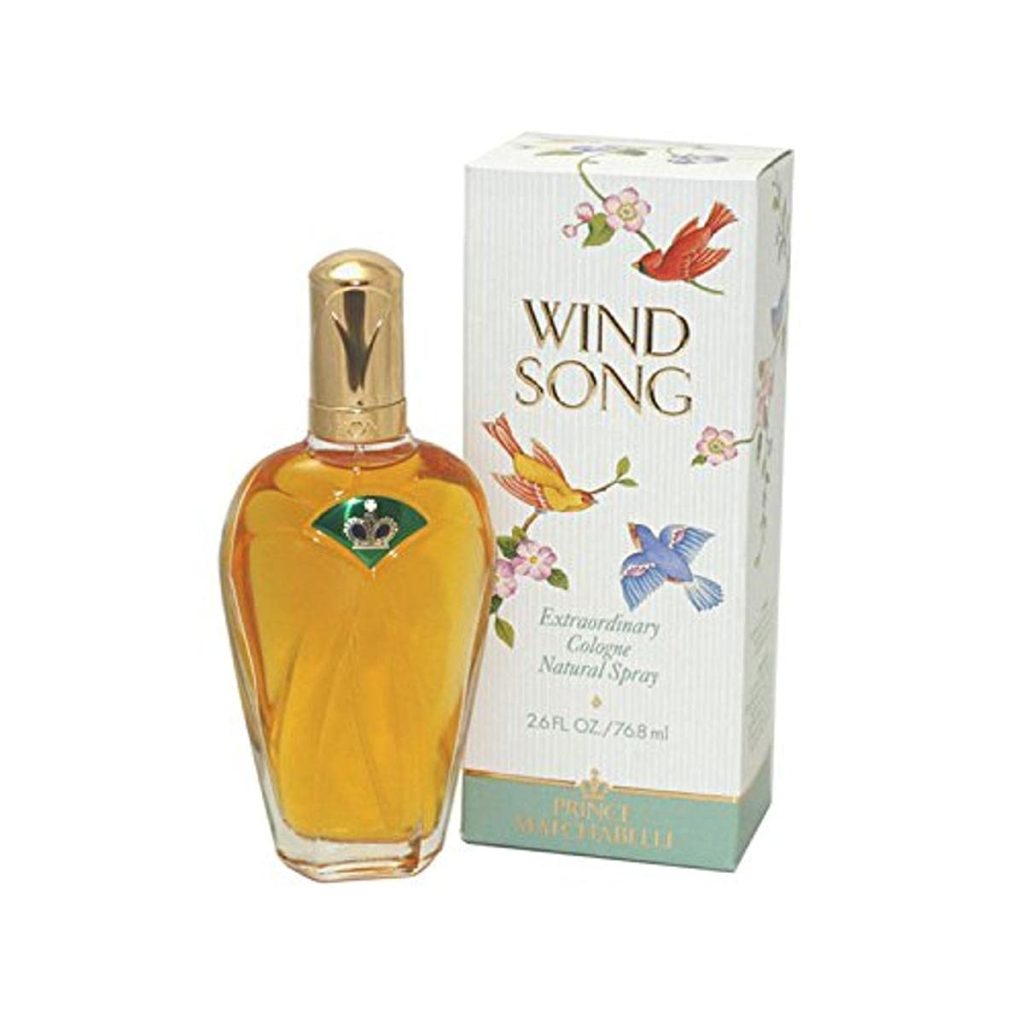
Prince Matchabelli’s Wind Song is a fragrance that has been around for decades, often found on drugstore shelves and online retailers at a modest price. It’s a floral aldehyde scent that was first launched in 1953 and has maintained a loyal following. This review examines the 2.60-ounce eau de toilette spray, its characteristics, and who might appreciate it.
The 2.60-ounce size is a standard full bottle for eau de toilette, typically lasting several months with regular use. The packaging is simple: a glass bottle with a spray nozzle, sometimes adorned with a gold-colored cap. It’s not a luxury presentation, but it’s functional and easy to store. The spray mechanism is generally reliable, though some users report that the nozzle can become clogged if not used regularly.
In terms of scent, Wind Song opens with a burst of aldehydes and citrus notes, which can be sharp and intense for the first few minutes. As it settles, a bouquet of florals emerges—jasmine, rose, and lily of the valley are often cited. The base is warm and slightly powdery, with musk, sandalwood, and vetiver. The overall effect is classic and elegant, reminiscent of mid-century perfumery. It’s not a modern, sweet gourmand or a fresh aquatic; it’s a traditional floral aldehyde in the vein of Chanel No. 5, though at a fraction of the price.
Performance-wise, Wind Song is an eau de toilette, so longevity is moderate. On average, it lasts about 3 to 5 hours on skin, with projection that is noticeable but not overpowering. It sits close to the body after the initial spray, making it suitable for office environments or daytime wear. For evening events or if you prefer a stronger scent, you might need to reapply. The sillage is modest; it won’t fill a room, but those near you will catch whiffs of it.
One limitation is that the fragrance can feel dated to some noses. The aldehydic opening and powdery drydown are hallmarks of a bygone era, and younger consumers accustomed to fruity or gourmand fragrances might find it old-fashioned. Additionally, the ingredients are likely synthetic, which is typical for drugstore perfumes, and some users with sensitive skin may experience irritation. It’s always advisable to test on a small area first.
Compared to similar products, Wind Song is often pitted against other classic drugstore fragrances like Jean Naté or Emeraude, or higher-end aldehydic florals like Chanel No. 5. While it doesn’t have the complexity or longevity of luxury perfumes, it offers a similar style at a much lower cost. If you’re looking for an affordable alternative to high-end floral aldehydes, Wind Song is a reasonable option. However, if you prefer modern, fresh, or sweet scents, this may not be for you.
In terms of real-world usage, Wind Song is versatile for daytime wear, casual outings, or even as a signature scent for those who enjoy vintage-style perfumes. It’s also a popular choice for older generations who remember it from their youth. The 2.60-ounce bottle is travel-friendly, though it exceeds TSA liquid limits for carry-on, so it’s best packed in checked luggage. It makes a decent gift for someone who appreciates classic fragrances, but due to its polarizing nature, it’s not a safe blind buy.
Who is it for? It’s suitable for individuals who enjoy floral aldehyde perfumes, appreciate retro scents, or are on a budget. It’s also a good choice for those who want a lighter fragrance for daily wear. Who is it not for? Those who prefer modern, sweet, or fresh fragrances, or those who need long-lasting projection, may be disappointed. Also, if you have sensitive skin, you might want to patch-test first.
Overall, Prince Matchabelli Wind Song is a competent, affordable eau de toilette that delivers a classic floral aldehyde experience. It has its quirks—moderate longevity, a potentially dated profile—but for the price, it’s a solid option for fans of traditional perfumery. It’s not a groundbreaking fragrance, but it doesn’t pretend to be. It’s a reliable standby that has stood the test of time.


