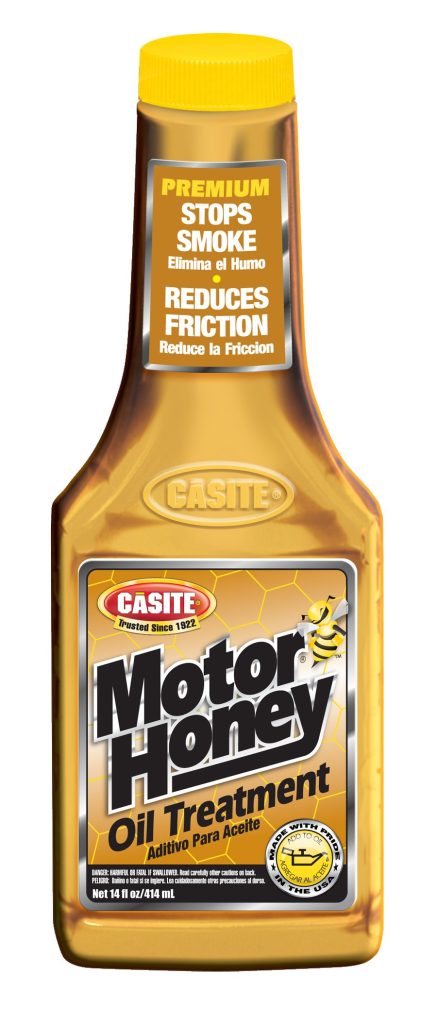
Motor Honey C162-12 is a 14-ounce bottle of engine oil treatment that claims to reduce oil consumption, quiet noisy lifters, and improve compression in worn engines. It’s part of a long line of aftermarket additives that promise to extend the life of tired motors without a rebuild. But does it deliver? Based on its formulation and user reports, it’s a mixed bag—useful in specific situations but not a cure-all.
In real-world use, this product is typically poured into the engine oil filler neck during an oil change or between changes when symptoms like blue exhaust smoke or ticking lifters appear. The thick, honey-like consistency (hence the name) suggests it’s a viscosity modifier—likely containing brightstock or similar heavy base oils that temporarily thicken the oil. That can help old engines maintain oil pressure and reduce blow-by, but it’s a band-aid, not a fix. Users often report quieter operation and less oil burning for a few thousand miles, but results vary widely depending on the engine’s condition.
Key functional features include its ability to boost oil film strength, which can reduce metal-to-metal contact in worn bearings and cam lobes. It also claims to condition seals to slow leaks, though that’s more of a side effect than a primary function. The 14-ounce size is enough for most passenger cars and light trucks (typically 4-6 quart capacity), but larger engines may need two bottles. It’s compatible with both conventional and synthetic oils, though mixing with synthetic may dilute its thickening effect.
One major limitation is that it doesn’t address the root cause of oil consumption—worn rings, valve guides, or failing gaskets. If your engine is burning oil due to mechanical wear, this product might mask the symptom temporarily, but it won’t restore lost metal. In fact, overuse can lead to sludge buildup or altered oil viscosity that may harm newer engines with tight tolerances. It’s also not a substitute for regular maintenance; skipping oil changes and relying on additives will only accelerate wear.
Compared to similar products like STP Oil Treatment or Lucas Oil Stabilizer, Motor Honey is generally thicker and more focused on high-mileage engines. STP is thinner and more of a general-purpose additive, while Lucas is often used in racing or heavy-duty applications. Motor Honey falls somewhere in between—it’s not as versatile as STP but not as aggressive as Lucas. For a daily driver with 150,000 miles, it might be worth a try; for a performance engine, it’s probably the wrong choice.
Who is it for? Owners of older vehicles (pre-2000) with minor oil consumption or lifter noise who want a cheap, temporary fix. It’s also popular among classic car enthusiasts who drive their cars infrequently and want to reduce smoke on startup. Who is it not for? Anyone with a modern engine under warranty, as additives can void coverage. Also not for those expecting a permanent repair—if your engine is knocking or has low compression, see a mechanic. And if you’re meticulous about oil chemistry, you’ll likely avoid it altogether.
Performance expectations should be realistic: you might see reduced oil burning by 20-30% for a few thousand miles, and valve train noise may quiet down. But don’t expect increased horsepower or fuel economy—those claims are dubious. The effect diminishes over time as the additive breaks down, so you’ll need to reapply at each oil change if you want to maintain results.
In summary, Motor Honey C162-12 is a niche product for a specific audience. It’s not a magic potion, but it can provide short-term relief for aging engines. If you’re handy with maintenance and understand its limitations, it might be worth keeping a bottle on the shelf. Just don’t rely on it to save a dying motor.