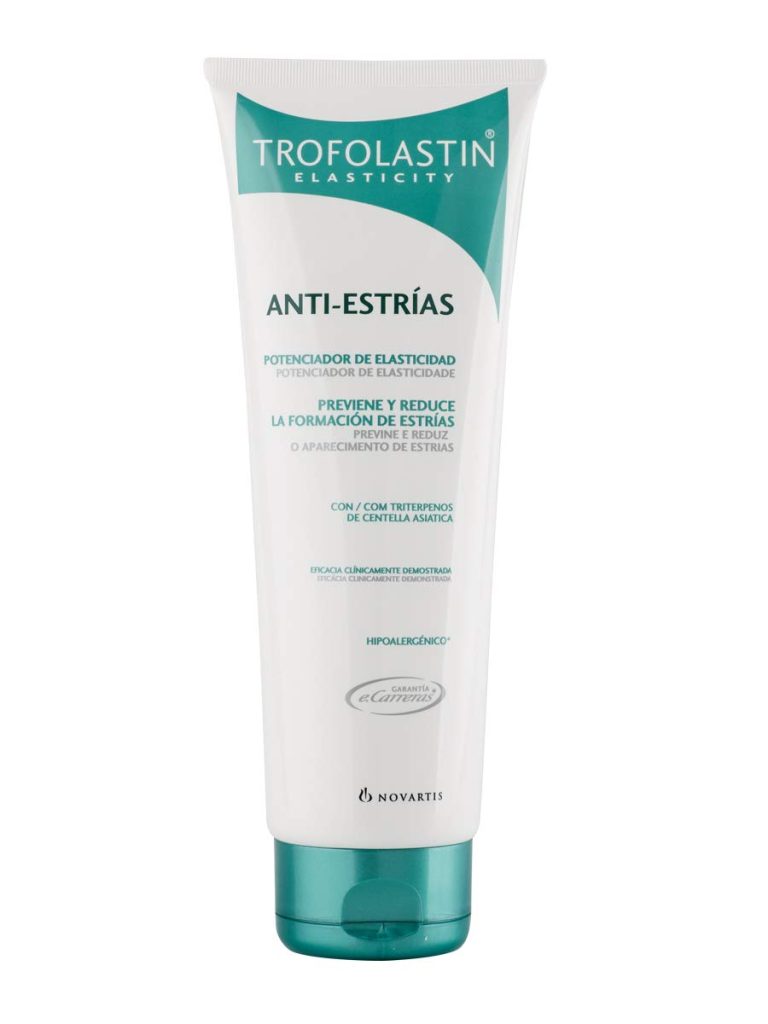
Stretch marks are one of those skin concerns that prompt a lot of product claims, often promising dramatic results. Trofolastin Anti-stretch is a cream that has been around for a while, marketed primarily for use during pregnancy and for marks linked to weight fluctuations. It’s not a new or flashy product, but it has a steady following. This review looks at what it actually does, how it feels to use, and where it might fall short.
Trofolastin is a thick, white cream that comes in a tube. The texture is heavier than a lot of everyday body lotions, which makes sense given its intended purpose. It’s meant to be applied twice daily, ideally starting early in pregnancy or as soon as weight changes begin. The key functional feature here is its formulation that includes Centella asiatica (also known as gotu kola), along with collagen and elastin precursors. Centella asiatica is one of the few botanical ingredients with some decent research behind it for improving skin elasticity and possibly reducing the appearance of existing stretch marks. The cream also contains vitamin E and allantoin, which are fairly standard soothing and moisturizing agents.
In real-world usage, the cream feels quite rich and takes a minute or two to fully absorb. For someone who is pregnant or dealing with rapid weight gain, this can be a positive—it provides a noticeable layer of moisture that helps with the tightness and dryness often associated with stretching skin. However, the thickness can also be a drawback. It can feel a bit greasy if you apply too much, and it doesn’t always layer well under tight clothing. Many users find they need to rub it in thoroughly and wait before getting dressed. The scent is mild and unremarkable, which is probably intentional to avoid triggering nausea during pregnancy.
One clear limitation is that Trofolastin is not a miracle cure. Stretch marks are essentially scars in the dermis, and no topical cream can erase them completely. The product’s effectiveness is more about prevention and modest improvement. For marks that are already white and mature, this cream is unlikely to make a significant difference. It’s best suited for early, red or purple marks when the skin is still actively stretching. Even then, results vary widely depending on genetics, skin type, and how consistently it’s applied. Some users report a visible fading of marks over several months, while others see little change.
Compared to a generic cocoa butter or shea butter-based stretch mark cream, Trofolastin has a more targeted ingredient profile. A basic moisturizer will help with skin hydration and may reduce itching, but it lacks the active compounds like Centella asiatica that are thought to support collagen remodeling. On the other hand, Trofolastin is significantly more expensive than those generic alternatives. If you are looking for a simple moisturizer to keep skin comfortable during pregnancy, a basic unscented body lotion or pure shea butter will do the job at a fraction of the cost. Trofolastin is more of a middle-ground option—it has some science-backed ingredients, but it is not a medical treatment.
Who is this product for? It is most suitable for pregnant women in their second or third trimester who want to try a dedicated stretch mark cream with some research behind it. It can also be useful for people going through rapid weight gain or loss, such as during bodybuilding or after significant weight changes. It is not a good choice for someone looking to eliminate old, white stretch marks that have been present for years. It is also not ideal for people who prefer lightweight, fast-absorbing lotions, as the texture is decidedly heavy. Those with very oily skin or who are prone to breakouts might find it too occlusive for daily use on the belly or thighs.
On the whole, Trofolastin Anti-stretch is a solid, no-frills product that does what it says on the tube, within reason. It provides heavy-duty moisture, includes some active ingredients with plausible benefits, and has a decent safety profile for use during pregnancy. But it is not a guarantee, and the price point may feel steep for the incremental improvement it offers over cheaper alternatives. If you have realistic expectations and are consistent with application, it can be a helpful part of a skincare routine during periods of skin stretching. Just don’t expect it to erase marks entirely.