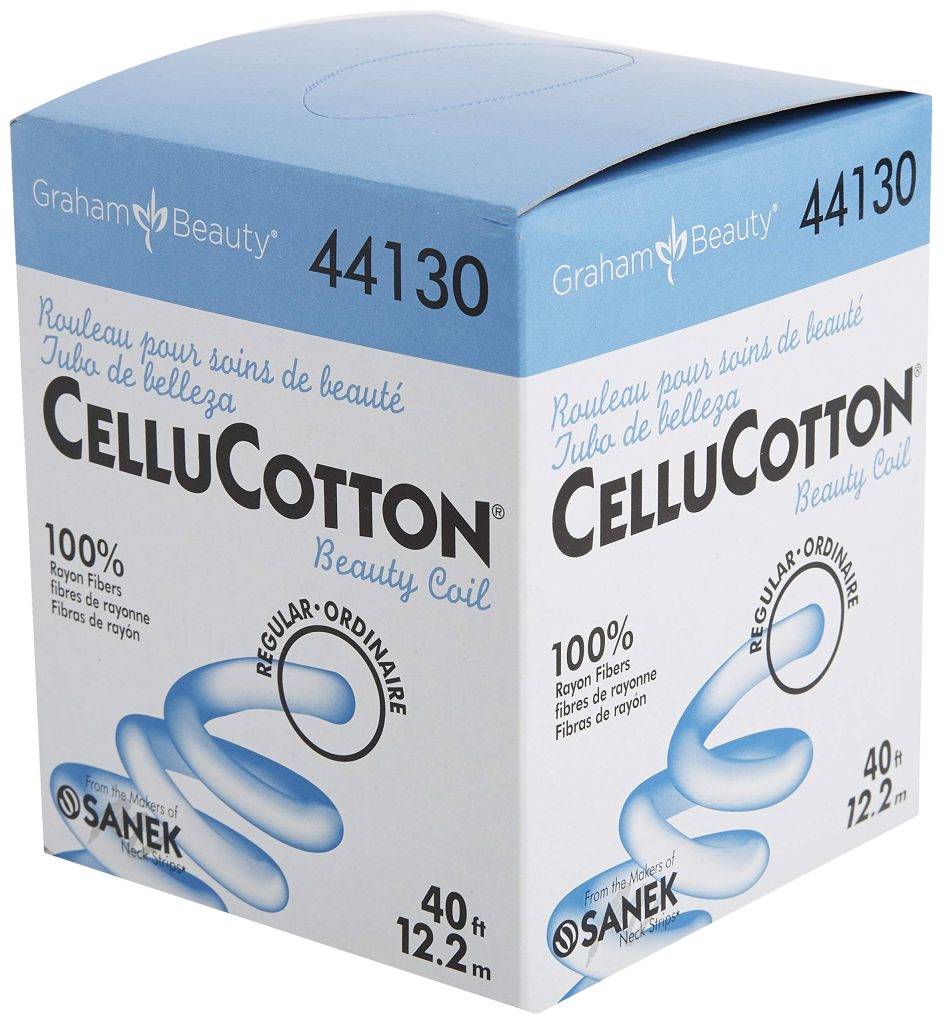
Graham Cellucotton Beauty Coil 100% Rayon, Regular, is a wicking material that has found a dedicated following among vapers who build their own coils. Unlike cotton, which is the default choice for most vapers, rayon is a synthetic cellulose fiber that offers distinct performance characteristics. This review examines how it performs in real-world use, its key features, and where it might—or might not—be the right fit.
In the vaping community, wicking material is a critical component. It transports e-liquid from the tank or dripper to the coil, and its properties affect flavor, vapor production, and how often you need to re-drip or refill. Cotton has long been the standard, but rayon has carved out a niche, particularly among enthusiasts who prioritize longevity and dry-hit resistance. Graham Cellucotton is one of the most recognized brands for rayon wicking, and this beauty coil version is specifically sold for that purpose.
So, what is Graham Cellucotton Beauty Coil? It’s a 100% rayon fiber, packaged as a long, continuous rope that can be cut to size. The “Regular” designation refers to the thickness of the strand, which is suitable for most common coil inner diameters (2.5mm to 3.5mm). The product is marketed for beauty purposes—salons use it for perms and facials—but vapers discovered it as a cheap, effective alternative to dedicated vape cotton. A single box contains 40 feet of rayon, which lasts most users many months, if not years.
Using rayon is similar to using cotton, but there are some quirks. Rayon doesn’t expand when saturated; it actually shrinks slightly. This means you need to wick it more tightly than cotton. If you wick it too loosely, it won’t make proper contact with the coil, leading to hot spots and poor performance. Experienced users often say you should hear a slight squeak when pulling the rayon through the coil—that’s the right amount of tension. Once wicked, prime it thoroughly with e-liquid, and it’s ready to go.
Performance-wise, rayon has some notable advantages. It has a higher heat tolerance than cotton, so it resists scorching better. That translates to longer wick life and fewer dry hits if you’re a bit late with dripping. Flavor is often described as “clean” and “pure,” with some users reporting that it mutes certain subtle notes less than cotton. However, taste is subjective, and some vapers find rayon imparts a slightly synthetic taste initially, though that usually fades after the first few puffs. It also tends to wick faster than cotton, which can be a benefit in high-wattage setups where e-liquid consumption is rapid.
But rayon isn’t without its drawbacks. The learning curve is real. Because of the shrinkage, new users often under-wick, leading to leaks or poor vapor production. It can also be less forgiving if you’re used to the “fluff and stuff” approach with cotton. Additionally, rayon is not as readily available in local vape shops; you’ll likely need to order it online or visit a beauty supply store. And while it’s cheap per foot, the initial purchase of a large box might be overkill if you just want to try it.
Compared to organic Japanese cotton, which is another popular option, rayon offers better longevity and dry-hit resistance but requires more precise wicking. Japanese cotton is more forgiving and has a more natural taste to some, but it tends to degrade faster and can’t handle as much heat. For vapers who like to experiment, trying both can be worthwhile. Rayon is also different from hemp or silica wicks, which are less common today. Silica, for instance, is highly heat-resistant but muted flavor and was largely replaced by cotton and rayon.
Who is this for? It’s best suited for vapers who build their own coils and are willing to learn the specific wicking technique rayon requires. If you’re chasing maximum wick life and don’t mind a bit of trial and error, rayon could become your go-to. It’s also a good choice for high-wattage vapers who tend to take long drags and want to avoid dry hits. On the other hand, if you’re new to rebuilding, or you prefer the simplicity of pre-built coils, rayon might be more hassle than it’s worth. Likewise, if you’re sensitive to even a hint of off-taste, you might prefer the familiarity of cotton.
In summary, Graham Cellucotton Beauty Coil 100% Rayon, Regular, is a specialized product that serves a specific audience well. It’s not a magic upgrade for everyone, but for those who take the time to master it, it offers tangible benefits in durability and heat resistance. The box lasts a long time, making it cost-effective, but the learning curve and availability are trade-offs. As with many things in vaping, personal preference plays a big role. If you’re curious, it’s worth a try—just be prepared to adjust your wicking routine.


