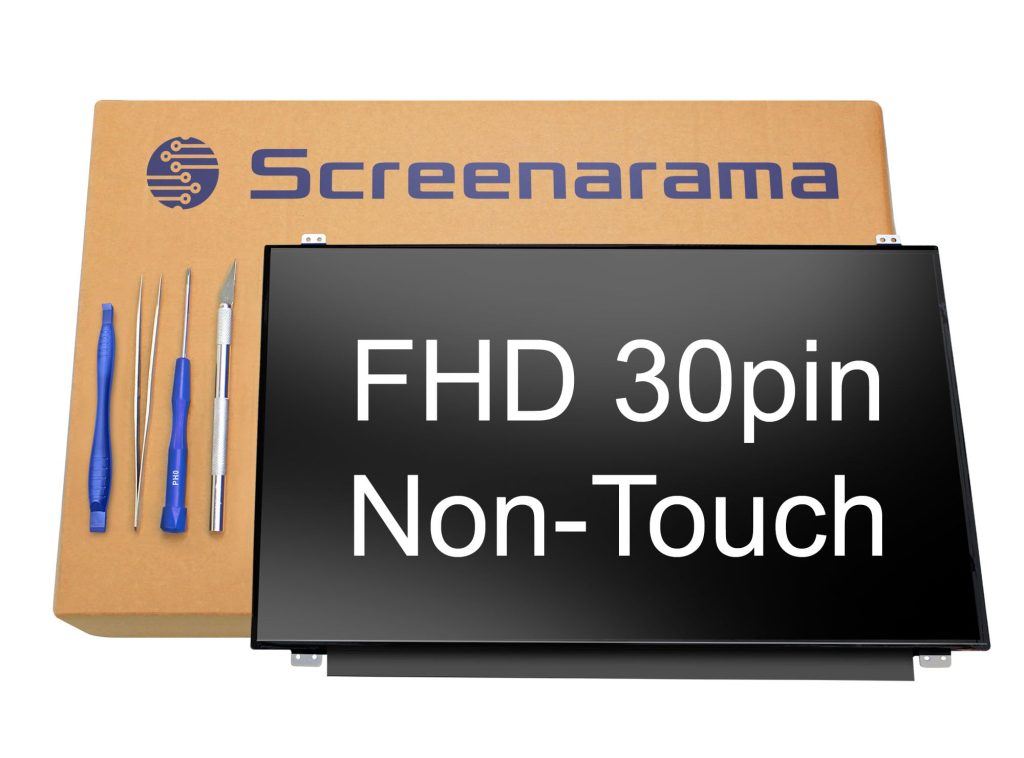
When a laptop screen cracks, the cost of a professional repair can approach the value of the machine itself. For owners of the Dell Latitude 5580—a business-class laptop that’s now a few generations old—replacing the screen yourself can be a cost-effective way to extend its life. SCREENARAMA offers a replacement panel specifically for this model, and it’s aimed at users comfortable with a screwdriver and a pry tool. But is it the right choice for your situation? This review examines what you get, how it performs, and where it might fall short.
The SCREENARAMA replacement screen is a 15.6-inch panel with a matte finish, designed to fit the Dell Latitude 5580. It’s a direct-fit component, meaning it should match the original mounting points and connector type. The panel uses an IPS display, which provides wide viewing angles and decent color reproduction for general tasks. The native resolution is 1920×1080 (Full HD), a common spec for this laptop generation. It’s important to note that this is a replacement screen only—it does not include the bezel, hinges, or any other assembly parts. You’ll need to transfer those from your existing display.
In real-world use, this screen is meant for everyday productivity: web browsing, document editing, video calls, and light media consumption. The matte finish helps reduce glare, making it easier to work in brightly lit environments. The IPS panel offers consistent colors from off-angles, which is useful if you frequently share your screen with others. However, it’s not a high-refresh-rate or high-color-gamut display, so it’s not intended for competitive gaming or professional color grading.
Installation is the biggest hurdle. Replacing a laptop screen requires patience and care. You’ll need to remove the bezel, disconnect the old panel, and carefully connect the new one. If you’ve never done this before, it’s worth watching a tutorial specific to the Latitude 5580. The process isn’t overly complex, but it’s easy to damage the new screen or the laptop’s chassis if you rush. SCREENARAMA doesn’t include installation tools or instructions, so you’ll need to source those separately. That said, for those with some DIY experience, it’s a manageable project that can save you a significant amount of money compared to a repair shop.
One limitation is that this is a generic replacement, not an OEM Dell part. While it should meet the original specifications, there can be minor differences in brightness, color temperature, or even bezel fit. Some users report that aftermarket screens may have slightly lower peak brightness or a different anti-glare coating than the original. For most people, these differences are negligible, but if you’re particular about display quality, you might notice. Also, warranty coverage may be limited compared to an OEM part, so check the seller’s terms.
Compared to buying a whole new laptop, replacing the screen is a more sustainable and budget-friendly option. It’s also more affordable than paying a professional repair service, which might charge $150-$300 for parts and labor. However, if your Latitude 5580 has other issues—like a failing battery or slow performance—you might want to weigh whether investing in a new screen is worthwhile. In that case, putting the money toward a newer machine could make more sense.
Who is this for? It’s ideal for DIY enthusiasts who are comfortable opening up their laptop and want to avoid the cost of a professional repair. It’s also a good fit for small businesses or schools that maintain their own fleet of Latitudes and need a reliable source for replacement parts. On the other hand, if you’re not comfortable with hardware repairs, or if your laptop is still under warranty (as opening it may void coverage), this isn’t for you. Similarly, if you need a high-end display for color-critical work, this panel won’t satisfy those needs.
In summary, the SCREENARAMA replacement screen for the Dell Latitude 5580 is a practical solution for a common problem. It offers a straightforward way to restore your laptop’s display without breaking the bank, provided you’re willing to tackle the installation yourself. Just keep your expectations in check: it’s a functional replacement, not an upgrade. For the right user, it’s a sensible fix that can keep a capable machine in service for years to come.


