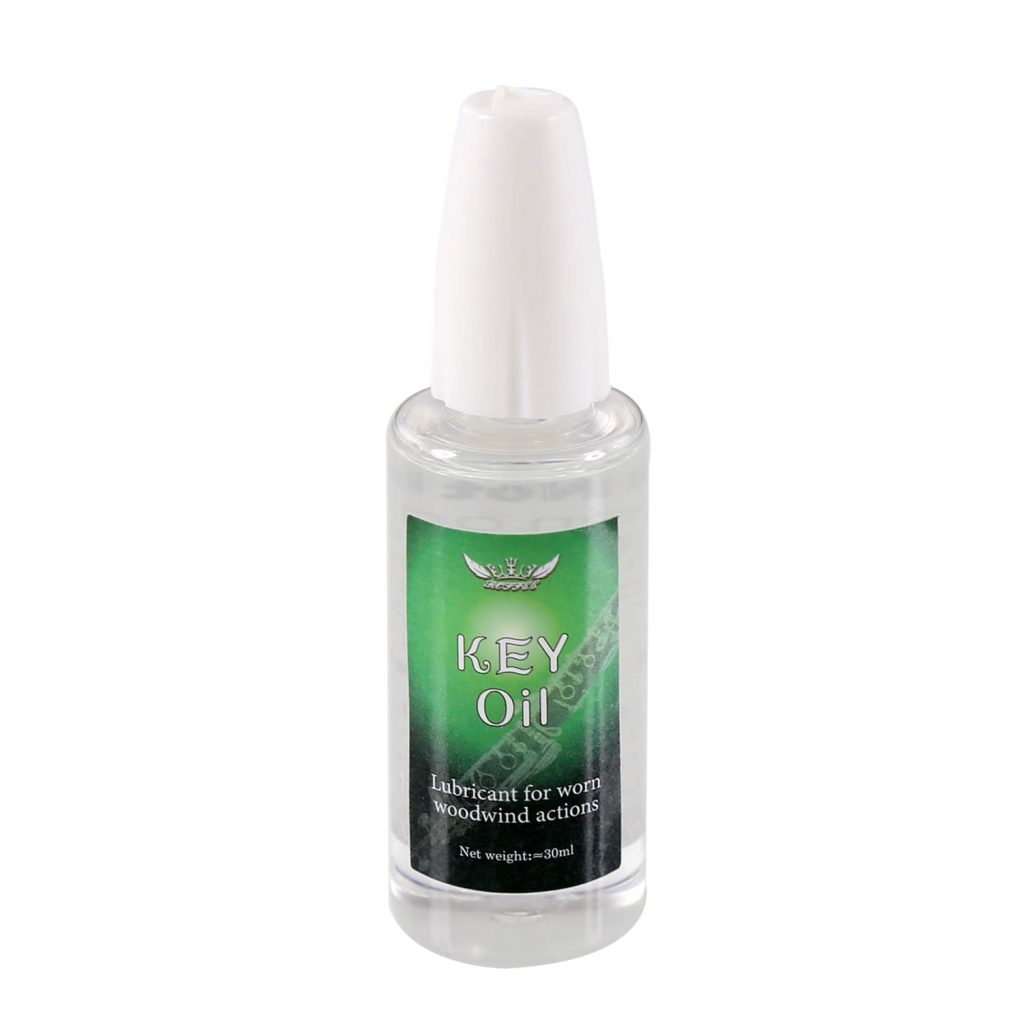
Key oil is one of those unglamorous but essential accessories for woodwind players. This 1.02 fl. oz bottle of key oil is marketed for clarinets, flutes, saxophones, oboes, and bassoons—basically any woodwind with metal keys and mechanisms. But does it live up to its multipurpose claims? We took a closer look at what it offers, where it falls short, and who should consider adding it to their instrument case.
First, a quick primer on why key oil matters. Woodwind instruments rely on a complex system of keys, rods, and springs to open and close tone holes. Over time, friction between metal parts can cause sluggish action, annoying clicks, and premature wear. A few drops of oil applied to pivot points and key mechanisms can keep things moving smoothly. This oil is designed for that purpose—it’s a light, petroleum-based lubricant that’s thin enough to penetrate tight spaces but viscous enough to stay put.
The bottle contains 1.02 fluid ounces, which might not sound like much, but key oil is used sparingly. A single drop per pivot point is usually sufficient, and most players only need to oil their instrument every few months (or less, depending on playing frequency and environmental conditions). So this bottle should last a typical player several years. The applicator is a thin metal needle, which allows for precise placement—a thoughtful design that prevents overspill and mess. However, the needle can be prone to clogging if not wiped clean after each use, a minor annoyance that requires a bit of maintenance.
In terms of performance, the oil does its job well. It reduces key noise and improves responsiveness, particularly on older instruments or those that haven’t been serviced in a while. It’s also suitable for all the instruments listed, from the small keys of an oboe to the larger mechanisms of a baritone saxophone. That said, it’s not a miracle worker. If your instrument has bent rods, worn pads, or other mechanical issues, oil won’t fix those problems—it’s a maintenance product, not a repair solution. Also, over-oiling can attract dust and dirt, which can actually accelerate wear. So moderation is key.
One limitation is that this oil is not for use on the body of the instrument or on pads. It’s strictly for metal key mechanisms. Applying it to pads or wood can cause damage. Additionally, some players prefer synthetic oils, which are less likely to gum up over time and may be kinder to modern materials. This petroleum-based oil is a traditional choice, but it can thicken in cold temperatures, making it less ideal for outdoor performances in winter. If you frequently play in cold environments, a synthetic alternative might be worth considering.
Compared to other key oils on the market, this product is fairly standard. It doesn’t have any unique additives or claims, but it gets the job done at a reasonable price. Some brands offer oils with built-in applicators that are easier to use, while others come in larger quantities. This one strikes a balance between size and precision. It’s also worth noting that key oil is not a substitute for regular professional maintenance. Even with diligent oiling, instruments need periodic check-ups by a technician to ensure everything is in proper working order.
So who is this for? It’s ideal for woodwind players who do their own basic maintenance—those comfortable with applying oil to pivot points and key mechanisms. It’s also a good option for schools or music programs that maintain a fleet of instruments and need a cost-effective lubricant. However, it’s not for someone looking for a one-time fix for a neglected instrument, nor for players who prefer to leave all maintenance to a professional. If you’re unsure about how to oil your instrument, it’s best to consult a repair technician first, as improper application can cause more harm than good.
In summary, this key oil is a practical, no-frills solution for keeping woodwind keys moving smoothly. It’s not without its quirks—the needle clogging and the need for careful application—but it performs as expected. While it may not be the most advanced formula available, it’s a reliable choice for routine maintenance. Just remember that it’s a supplement to, not a replacement for, professional care.


