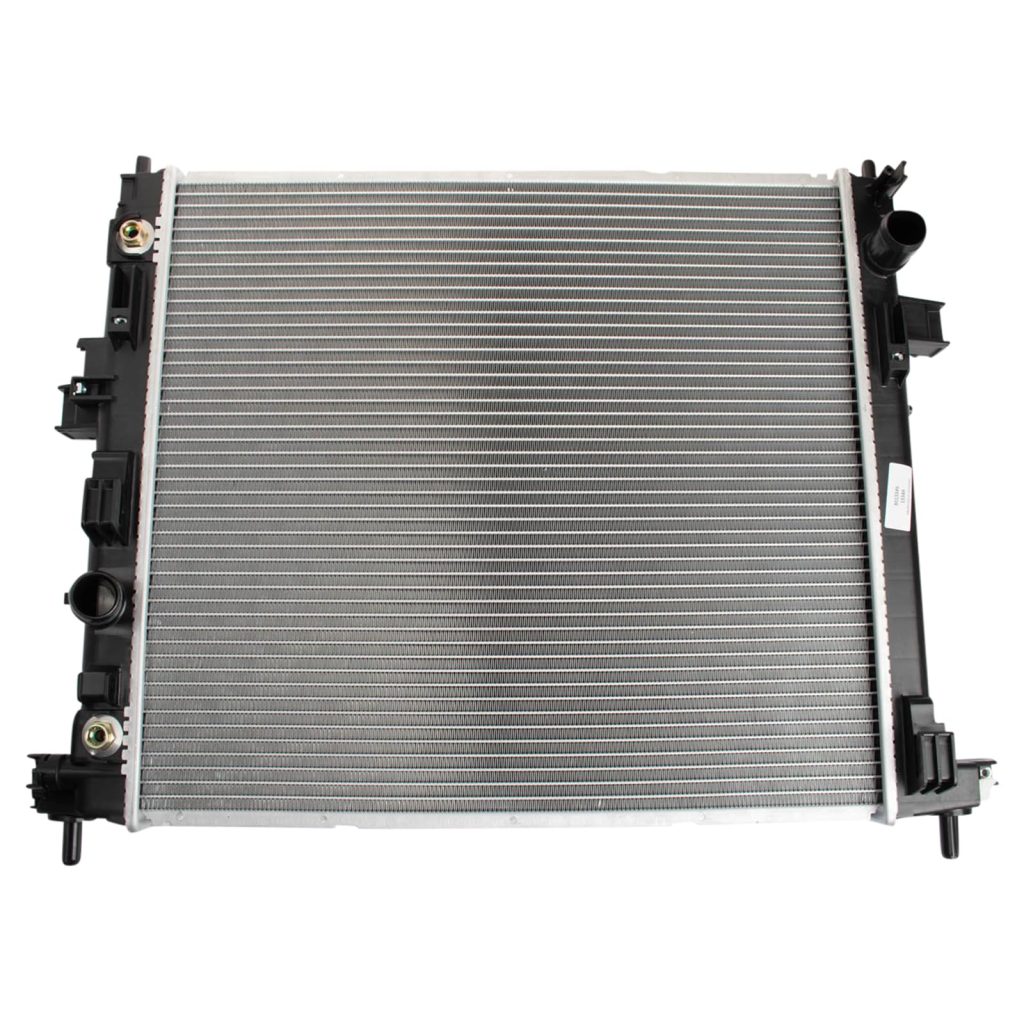
When it comes to replacing a radiator, the options can be overwhelming. From OEM parts to high-performance aftermarket units, the choice often comes down to balancing cost, fit, and cooling capacity. The TRQ Radiator 1 Row Aluminum Core sits in the budget-friendly aftermarket segment, aiming to provide a direct-fit solution for a range of vehicles. Based on its specifications and typical use cases, this review examines where it fits and what to expect.
First, it’s important to understand what a 1-row aluminum radiator is and how it differs from other designs. Radiators are typically categorized by the number of rows (or tubes) in the core. A 1-row radiator has a single layer of tubes, which makes it thinner and lighter than multi-row counterparts. The TRQ unit uses an aluminum core with plastic tanks, a construction common in modern vehicles for its balance of weight, cost, and heat dissipation. This design is generally adequate for stock or mildly modified engines, but it may not provide the extra cooling capacity needed for heavy towing, racing, or extreme climates.
In real-world usage, the TRQ radiator is most often installed during routine repairs—when an original radiator develops a leak, becomes clogged, or suffers damage. It’s also a consideration for those restoring a vehicle to stock condition without spending on OEM parts. The installation process is straightforward for a DIYer with basic mechanical skills, as it’s designed to fit specific makes and models without modification. However, as with any aftermarket part, fitment can vary slightly, and some users report needing to adjust mounting points or reuse original hardware. It’s always wise to verify the part number against your vehicle’s requirements before purchase.
Key functional features of the TRQ radiator include its aluminum core, which offers good corrosion resistance and efficient heat transfer. The plastic tanks are molded to precise dimensions, and the inlet and outlet sizes match OEM specifications for the intended applications. The core is brazed, a process that fuses the tubes and fins for durability. While these features are standard for this class of radiator, they don’t necessarily indicate superior performance. The 1-row design is a limiting factor: it has less coolant capacity and surface area than a 2-row or 3-row radiator, so it may struggle to maintain optimal temperatures under sustained heavy loads or in high-performance engines.
One notable limitation is the plastic tank construction. While common, plastic tanks can become brittle over time and are more prone to cracking than all-aluminum radiators, especially if subjected to repeated heat cycles or pressure spikes. This is a trade-off for the lower cost and lighter weight. Additionally, the 1-row core may not be sufficient for vehicles that are frequently driven in hot climates, used for towing, or modified for more power. In those cases, upgrading to a 2-row or all-aluminum radiator might be a better investment, though at a higher price point.Compared to an all-aluminum radiator, the TRQ unit is generally less expensive and easier to install due to its lighter weight. All-aluminum radiators, often chosen for performance applications, offer greater durability and cooling capacity but come at a higher cost and may require additional modifications. On the other hand, OEM radiators provide exact fit and proven reliability but can be significantly more expensive. The TRQ radiator sits in the middle, offering a compromise between cost and function.
Who is this radiator for? It’s suitable for daily drivers, older vehicles, and those on a tight budget who need a functional replacement without performance demands. It’s also a reasonable choice for someone who plans to sell the vehicle soon and wants a cost-effective fix. However, it’s not for enthusiasts pushing their engine to the limit, nor for those who regularly tow heavy loads or live in extremely hot climates where cooling demands are higher. For those applications, a higher-capacity radiator is recommended.
In terms of performance expectations, the TRQ radiator should perform similarly to the original radiator in stock conditions. It will keep the engine at proper operating temperature under normal driving conditions. However, it won’t provide any cooling upgrades, and in demanding situations, it may allow temperatures to rise. It’s also worth noting that some users have reported minor fitment issues, such as needing to bend brackets or adjust hose connections. These are not uncommon with aftermarket parts, but they can add time to the installation.
Overall, the TRQ Radiator 1 Row Aluminum Core is a practical, no-frills replacement for a failed radiator. It does the job for which it’s intended, provided the vehicle is used within normal parameters. It’s not a performance upgrade, and it’s not built to the same durability standards as premium all-aluminum units. But for the price, it offers a viable alternative to more expensive options. As with any purchase, it’s essential to weigh your specific needs and driving habits before deciding.