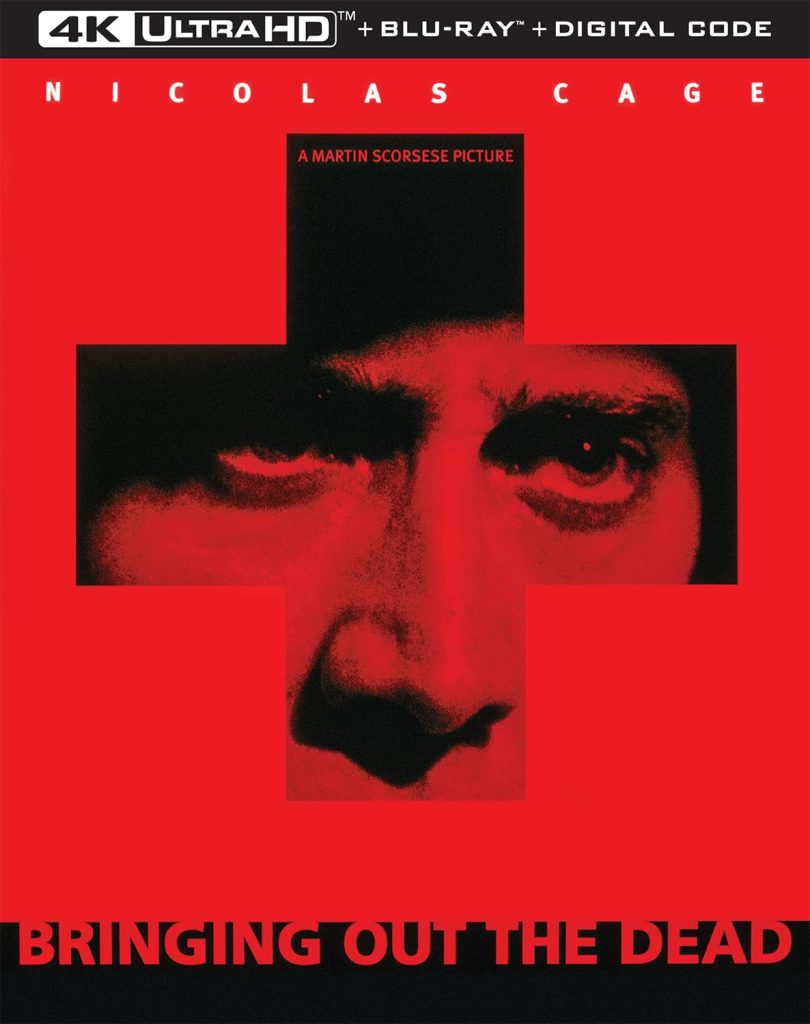
Martin Scorsese’s 1999 film Bringing Out the Dead is often discussed in the context of his earlier work, but the screenplay adaptation by Paul Schrader deserves attention on its own. Based on Joe Connelly’s memoir of his time as a paramedic in 1990s New York, the script captures a gritty, fragmented reality that is both specific and universal. This review focuses on the screenplay as a standalone text—how it reads, how it functions for study or adaptation, and where it falls short.
In real-world usage, this screenplay is not something you’d casually pick up for light reading. It’s dense, introspective, and heavily reliant on internal monologue—something that works well on the page but can feel jarring in performance. For aspiring screenwriters, it serves as a case study in how to translate first-person experience into visual storytelling. The script uses voiceover to convey the protagonist Frank Pierce’s exhaustion and guilt, but it’s not always subtle. Some passages feel overwritten, as if the author is trying too hard to capture the chaos of emergency medicine through words alone.
Key functional features of the screenplay include its non-linear structure, which mirrors the paramedic’s shift work and sleep deprivation. Scenes jump between calls, hallucinations, and quiet moments of despair. This is both a strength and a limitation: it creates a sense of urgency, but it can also confuse readers unfamiliar with the source material. The dialogue is sparse and often functional, which fits the setting—paramedics don’t have time for lengthy conversations—but it leaves little room for character development beyond the protagonist. Secondary characters like Mary (Patricia Arquette’s role) feel underdeveloped on the page, relying heavily on the actor’s performance to add depth.
A notable limitation is the screenplay’s reliance on voiceover to explain internal states. While this technique can be effective, it often tells the audience what to feel rather than showing it through action. Compare this to something like the script for Taxi Driver (also by Schrader), where Travis Bickle’s internal turmoil is conveyed through visual cues and tense interactions. In Bringing Out the Dead, the voiceover sometimes feels like a crutch, especially in the middle act where the paramedic’s burnout becomes repetitive rather than revelatory.
When compared to other paramedic narratives, this screenplay stands out for its refusal to romanticize the profession. Shows like ER or Chicago Med often highlight heroic interventions, but this script focuses on the mundane and the traumatic—the long waits, the failed rescues, the bureaucratic indifference. It’s a more honest portrayal, but it also lacks the emotional payoff that some readers might expect. There’s no triumphant moment; the protagonist simply continues. This makes it a tough sell for anyone looking for a conventional story arc.
Who is this screenplay for? It’s best suited for students of screenwriting who want to study how to adapt memoir into film, or for fans of Scorsese and Schrader who appreciate character-driven narratives. It’s also useful for those interested in the darker side of urban life and emergency services. However, it is not for readers who prefer plot-driven stories with clear resolutions. The script’s ambiguity and slow pacing can be frustrating. If you’re looking for something like Training Day or The Hurt Locker, which balance introspection with action, this will feel like a different beast entirely.
On a practical level, the screenplay’s structure can be challenging to adapt for stage or other media. The rapid scene changes and hallucinatory sequences rely on film editing to be effective. Without Scorsese’s visual style and the actors’ performances, the text can feel flat. This is a limitation worth noting for anyone considering using it as a model for their own work. The script is a product of its time—late 1990s Hollywood—and it shows in its willingness to prioritize mood over clarity.
- Strengths: Honest portrayal of paramedic work, strong use of voiceover for interiority, non-linear structure mirrors real-life chaos.
- Weaknesses: Over-reliance on voiceover, underdeveloped secondary characters, slow pacing may not suit all readers.
- Alternative comparison: Less accessible than Taxi Driver but more grounded than ER scripts.
Ultimately, Bringing Out the Dead is a competent but uneven adaptation. It captures the exhaustion of its subject matter but sometimes sacrifices narrative momentum in the process. If you’re studying screenwriting, it’s worth reading for its ambition and honesty. If you’re just looking for a compelling story, you might find it more rewarding to watch the film first—and then decide if the script adds anything new.